Short answer
Cajun food is the rustic, one-pot cooking of the French-speaking Acadian communities of south Louisiana, built on the trinity of onion, celery and bell pepper, rice, smoked sausage, chicken and seafood. It differs from Creole food, which grew in New Orleans.
Cajun food is the rustic, hearty cooking of the French-speaking communities of south Louisiana, built on the trinity of onion, celery and bell pepper, rice, smoked meats and seafood. It grew from the traditions of Acadian settlers and their neighbors, and it is best known for gumbo, jambalaya and smoked sausage. This guide explains the base flavors, the main dishes, how Cajun differs from Creole, and how the sausage at Bud’s House of Meat in Houston connect to the tradition.
What is Cajun food?
Cajun food is the home cooking of the Cajun people of south Louisiana, and it centers on affordable ingredients turned into rich, well-seasoned dishes. Rice, sausage, chicken, seafood, game and vegetables are the foundation.
The word Cajun comes from Acadian, the name of French colonists who settled in what is now eastern Canada and later moved to Louisiana. Their cooking blended French habits with local ingredients and with influences from other communities in the region. Details of the blending are described in different ways by historians, so any single tidy story should be read with some caution.
What is the Cajun trinity?
The Cajun trinity is a base of chopped onion, celery and green bell pepper, cooked at the start of many dishes. It is the Louisiana counterpart of the French mirepoix, which uses onion, carrot and celery.
Cooks sweat the trinity in fat until it softens, and it provides sweetness, aroma and body. Garlic and parsley often join it, and green onions are sometimes added at the end. Because the trinity is so common, you will find it in gumbo, jambalaya, étouffée, dirty rice, beans and stews.
What is roux, and why does it matter?
Roux is flour cooked in fat, and in Cajun cooking it is often browned to a deep color to make gumbo and stews. The darker the roux, the more toasty and less thickening it becomes.
Making roux takes patience, because it must be stirred steadily to avoid burning. Light roux is the color of peanut butter and is used for thicker dishes, while a dark chocolate roux is used for gumbo. A burnt roux is bitter and cooks usually start over. Roux is the thickener and the flavor base, which is why it is treated with respect.
What are the main Cajun dishes?
The best-known Cajun dishes are gumbo, jambalaya, étouffée, red beans and rice, dirty rice, smothered chicken and smoked sausage. Most are built on the trinity, rice and a smoked or seafood protein.
| Dish | What it is | Key ingredients |
|---|---|---|
| Gumbo | Thick stew served over rice | Roux, trinity, sausage, chicken or seafood |
| Jambalaya | Rice cooked with meat and vegetables | Rice, trinity, sausage, chicken or shrimp |
| Étouffée | Smothered shellfish or meat in a sauce | Crawfish or shrimp, trinity, roux or butter |
| Red beans and rice | Slow-cooked beans over rice | Red beans, trinity, smoked sausage |
| Dirty rice | Rice with ground meat or liver | Rice, trinity, giblets or ground meat |
| Smothered chicken | Chicken braised in onion gravy | Chicken, onion, stock, roux |
A guide to dirty rice on this site covers that dish in more detail.
What is the difference between Cajun and Creole food?
Cajun food is rustic country cooking from south Louisiana, while Creole food grew in New Orleans and is often described as more refined and more tied to the city’s European, African and Caribbean influences. The two overlap a great deal, and the boundary is argued about even in Louisiana.
| Feature | Cajun | Creole |
|---|---|---|
| Where it developed | Rural south Louisiana | New Orleans |
| Style | Rustic, one-pot | City cooking, more varied |
| Tomatoes | Used less often in some dishes | Common in dishes such as jambalaya and sauces |
| Example | Gumbo with dark roux | Gumbo with tomatoes or okra |
These are general tendencies, and families and cooks do things their own way. A Creole dish can be Cajun in a country kitchen, and the reverse. In Houston, the terms are also used loosely for sausages and seasonings.
Why is rice so central to Cajun cooking?
Rice is central because south Louisiana is a rice-growing region, and it stretches meat and sauce into a meal. It is served under gumbo and étouffée, cooked into jambalaya and mixed into dirty rice.
Long grain white rice is the usual choice. A pot of rice in a Cajun home is often the base of the day’s meal, with a stew, beans or smothered dish ladled over it. Dirty rice, a dish of rice cooked with finely chopped meat and seasoning, shows how deep the rice habit goes.
What role do sausage and smoked meats play?
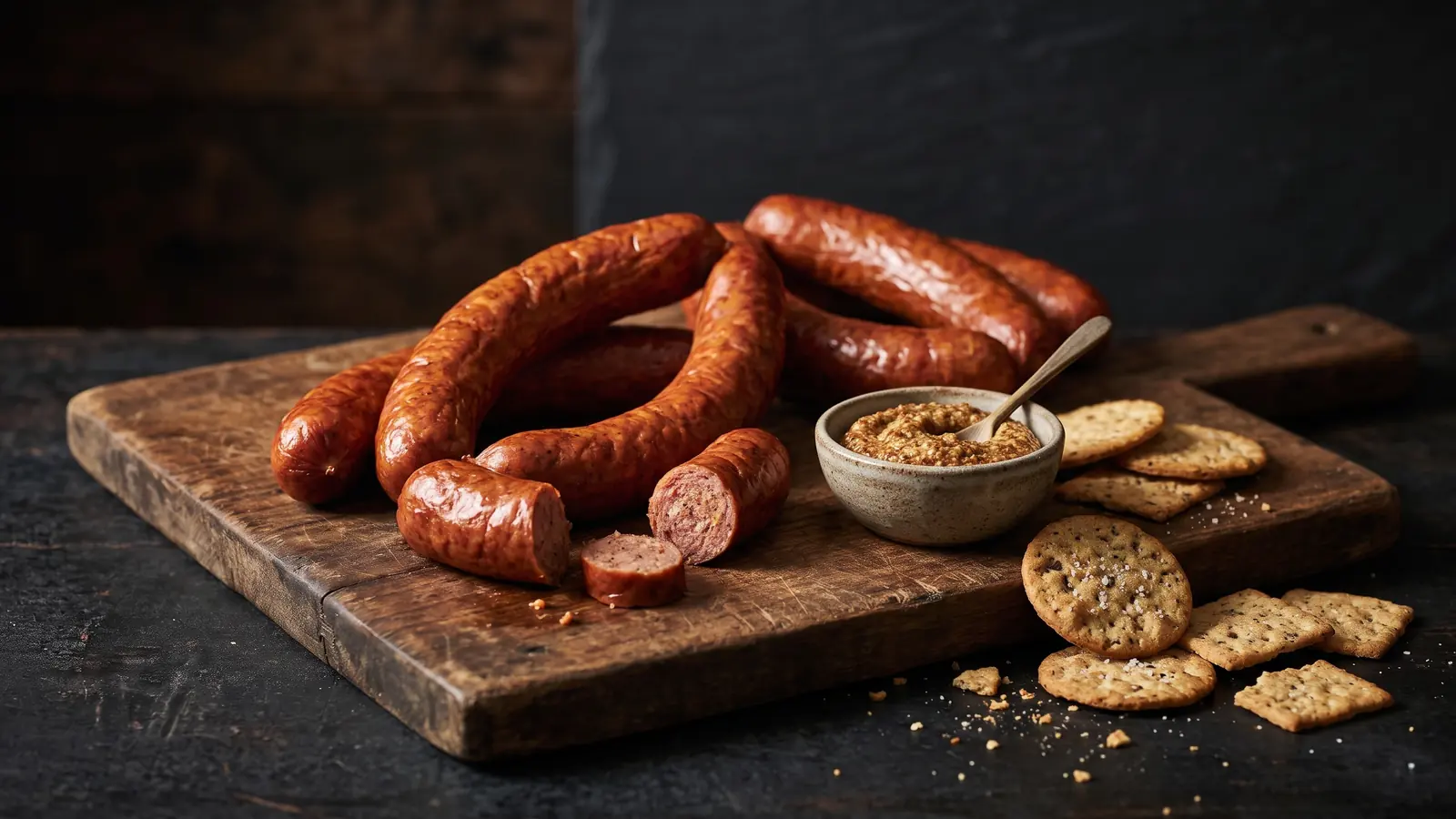
Smoked sausage and smoked turkey give Cajun dishes depth and smoke, and they are used as flavoring as much as protein. A few slices in a pot of beans or gumbo change the whole dish.
Smoked meat is a cornerstone because curing and smoking were ways to preserve meat in a warm, humid climate before refrigeration. A traditional community gathering called a boucherie is often connected with sausage-making and shared cooking. How and when the boucherie tradition formed is told in different ways.
Why do Houston meat markets sell Cajun food?
Houston and southeast Texas have deep ties to Louisiana, so Cajun and Creole foods are part of the local food culture. Many families moved west from Louisiana over the years, and sausage and seasoning are part of what they brought.
That is a general explanation, not a history of any one store. Meat markets in the area often sell smoked sausage and seasoning for cooking at home, alongside Texas barbecue.
Which Cajun-style items are at Bud’s House of Meat?
On its menu as recorded in November 2026, Bud’s House of Meat lists a beef sausage and smoked sides that sit near the Cajun tradition, but the ordering page does not label its food as Cajun. Texas Monthly highlights the baked potatoes, and the facts record lists the cuisines as Texas barbecue, beef sausage, and Southern.
| Item | Price | Note on the page |
|---|---|---|
| Beef Sausage (1 lb) | $9.95 | Beef sausage |
| Smoked Rice (half gallon) | $12.95 | Catering side |
| Cowboy Beans (gallon) | $25.00 | Catering side |
The page does not describe these as Cajun, and does not say whether the Smoked Rice is related to dirty rice. Another write-up mentions fried Cajun turkeys, and the Clover page listed a seasonal Fried Turkey at $80.00 for Thanksgiving 2026 pre-orders, with cold pickup on a set day. Ask the store about any seasonal items.
The official website, budshouseofmeat.com, links to the ordering pages, and orders are placed there, not through this guide. The menu page has the full recorded list, and (713) 733-4363 reaches the store.
What goes into Cajun seasoning?
Cajun seasoning is usually a blend of salt, black pepper, cayenne, paprika, garlic and onion powder, often with dried herbs such as thyme and oregano. Every brand and cook has a different mix.
Because blends are heavy on salt, they change how much salt a dish needs. Taste before adding more, and consider making your own if you want to control the salt and heat. Creole seasoning is similar and often sold under the same shelf label. Some store blends contain additives or allergens, so read the label.
What are the common mistakes with Cajun cooking?
The most common mistakes are rushing the roux, oversalting and treating heat as the whole point. Cajun food is about depth of flavor, with heat as one element among several.
- Burning the roux. Stir constantly and lower the heat if it darkens too fast.
- Salting early with salty sausage. Taste at the end.
- Skipping the trinity. The vegetable base provides much of the flavor.
- Overcooking seafood. Add shrimp or crawfish near the end.
- Overcrowding the rice pot. Rice needs room and a tight lid to cook evenly.
What is smothered chicken, and where does it fit?
Smothered chicken is browned chicken braised slowly in an onion gravy, and it is a Louisiana home-cooking staple served over rice. The name comes from the way the gravy and onions smother the meat.
It shows how Cajun cooking makes humble ingredients taste rich. A cook browns chicken pieces, builds a dark roux or browns flour in the pan, softens onions and the rest of the trinity, adds stock and simmers until the chicken is tender. Nothing about the dish requires special equipment, and it feeds a family from a single pot. The Bud’s House of Meat menu as recorded in November 2026 does not list smothered chicken, so ask the store if you are looking for a particular dish.
How do you start cooking Cajun food at home?
Start with a pot of red beans or a simple jambalaya, because they teach the trinity, seasoning and rice without needing a dark roux. Add smoked sausage for flavor.
A practical starter list:
- Chop onion, celery and green bell pepper, and keep them ready.
- Choose a smoked sausage that suits you, and slice it into rounds.
- Brown the sausage, then cook the trinity in the fat.
- Add stock, seasoning and rice or beans, and cook until done.
- Taste for salt at the end, because sausage and seasoning blends are salty.
Cayenne and hot sauce are seasonings to adjust to taste, and diners can add their own heat at the table.
Common questions
Is Cajun food always spicy?
No. Cajun food is well seasoned, but heat varies widely by cook and dish. Cayenne is common, and many cooks keep heat low and let diners add hot sauce.
What is the Cajun trinity?
It is the base of chopped onion, celery and green bell pepper that starts many Cajun dishes, comparable to the French mirepoix of onion, carrot and celery.
Is gumbo Cajun or Creole?
Both. Gumbo is made in Cajun and Creole kitchens, with differences in thickener, ingredients and style, and cooks and regions disagree on the details.
What does Cajun mean?
Cajun refers to the descendants of French-speaking Acadians who settled in south Louisiana, and by extension their food, music and culture.
Why do Texas meat markets sell Cajun food?
Southeast Texas and Houston have long had strong ties to Louisiana, including families who moved west. Sausage and similar items are part of that shared food culture.
Looking for the basics? Bud's House of Meat address and opening hours are on the home page.
This article is general information from an independent guide, not from Bud's House of Meat itself. For the store’s current details see hours and location.